Hiring at enterprise scale is complex. Yet many organizations still rely on single assessments or isolated tests to make high-impact hiring decisions.
The result? Inconsistent outcomes, interview dependency, and limited insight into actual job readiness.
This is where assessment frameworks become essential.
The Problem with Single-Test Hiring
Single tests are easy to deploy, but they come with limitations:
One test is used across multiple roles
Assessments don’t change across hiring stages
Scores exist, but actionable insights don’t
Interviews still drive most decisions
At scale, this leads to bias, inconsistency, and hiring risk.
Roles Are Multi-Dimensional
Enterprise roles rarely succeed on one skill alone.

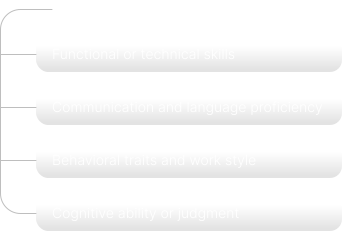
This resulted in long screening cycles, operational dependency on recruiters, and inconsistent hiring benchmarks.
What Is an Assessment Framework?
An assessment framework is a structured approach to evaluating talent. Instead of asking “Which test should we use?”, it answers:

What needs to be assessed for this role?

For what decision?

Using which assessment method?

At which hiring or development stage?
Pre-Hire vs Post-Hire: Why Intent Matters
One common enterprise mistake is using the same assessments before and after hiring.
Pre-hire assessments support screening and risk reduction
Post-hire assessments support skill gap analysis and training
Frameworks clearly separate hiring decisions from development diagnostics.

From Tests to Frameworks: A Shift in Thinking
Mature enterprise hiring shifts from:

This changes how HR, TA, and business leaders collaborate, moving from intuition-led to evidence-led hiring.
The Role of Assessment Platforms
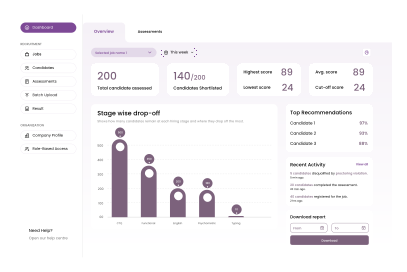
Framework-based hiring requires platforms that are:
- • Modular and configurable.
- • Role- and stage-agnostic.
- • Secure and proctored.
- • Capable of supporting pre- and post-hire use cases.
Final Thought
As hiring becomes more complex and accountable, assessment frameworks are no longer optional, they are foundational.